The Hidden Costs of Distribution Shift
Most vision AI models don’t fail because the algorithms are weak — they fail when the data changes. Distribution shift is the unseen cliff where lab-ready models fall apart in the real world.
It’s the silent killer of promising pilots.
What Distribution Shift Looks Like
-
Pathology: A model trained on one lab’s stain colors collapses when tested on another lab’s slides.
-
Forestry: A model trained to detect deforestation in the Amazon struggles when applied in boreal forests — because tree species, canopy structure, and seasonal signals look entirely different.
-
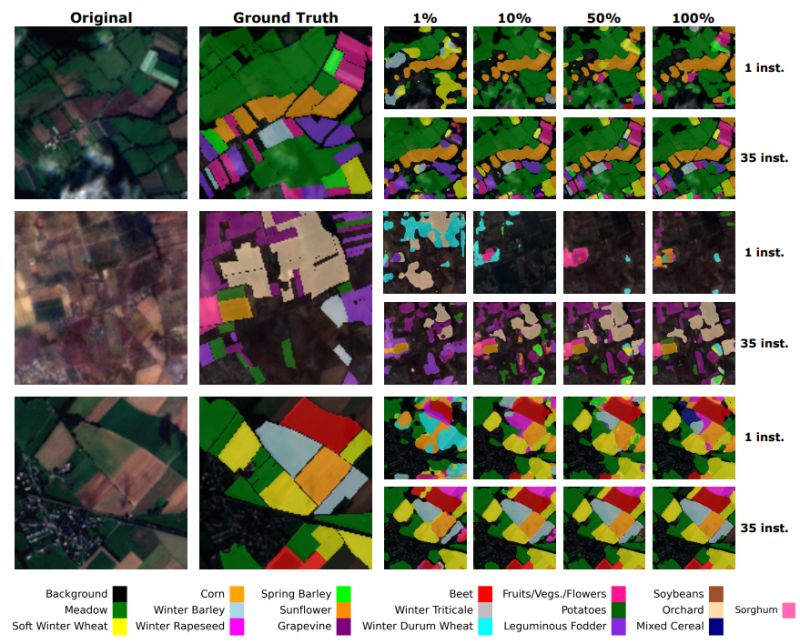
Agriculture: A pest detection model trained on one variety of wheat misclassifies disease signs on another variety with different leaf color or texture.
Across every domain, the pattern is the same: models that look bulletproof in development crumble when faced with new, unseen conditions.
Why Leaders Miss It
Metrics during development often look great, creating false confidence. For example, a model that shows 95% accuracy in-house can plummet to 60% when tested on external data. Validation usually happens on “friendly” data — the same lab, same region, same sensor. Stakeholders mistake good pilots for readiness, overlooking how fragile the model really is.
Distribution shift is invisible until it’s too late — unless you test for it deliberately.
The Real Costs
And when distribution shift strikes, the fallout is more than technical. The cost isn’t just lower accuracy — it’s:
-
Re-validation costs: every new site, lab, or sensor can mean repeating the entire validation process, at a price of hundreds of thousands to millions.
-
Delays to market: 6–12 months of lost momentum can stall funding rounds, regulatory approvals, or adoption. In pharma or agtech, a six‑month delay can mean $100M+ in lost market share or trial recruitment.
-
Lost confidence: Teams and investors lose trust when a "working" model fails in deployment.
And these costs don’t appear in isolation. Re-validation expenses combine with delays and lost trust, compounding into missed funding, lost partnerships, and shrinking market opportunities.
The real damage isn’t the error rate. It’s the wasted time, rework, and cascading opportunity loss.
How to Get Ahead of It
-
Stress-test early: Validate on diverse sites, regions, or sensors from the beginning — for example, across multiple hospitals or forest types.
-
Anticipate variability: Build data pipelines that capture seasonal, geographic, and device-level differences — such as crop cycles, soil types, or imaging devices.
-
Involve domain experts: They know where shifts are most likely to occur and how they’ll impact decisions — like pathologists recognizing staining variations or agronomists identifying crop differences.
That’s why proactive oversight matters. This is where I help teams — identifying risks early and designing validation that mirrors the real world.
Closing Thought
The hidden cost of distribution shift isn’t lower accuracy — it’s lost time, lost trust, and lost opportunity.
After 20 years in computer vision, I know where these risks hide. If you want to uncover where distribution shift could derail your vision AI project before it becomes costly, let’s talk. Book a Pixel Clarity Call and we’ll map your risks and next steps together.
- Heather |